

Introducing the Project Preparatory Grant to Support Integration of Data Science and Technology in Caribbean Conservation Efforts by Civil Society
Emerging data science and technology are transforming conservation science and boosting the efficiency of civil society organizations (CSOs). Tools like blockchain, machine learning, and the Internet of Things, combined with satellite and big data, enable CSOs to reduce costs, scale up impact, and adopt innovative approaches. However, many Caribbean CSOs have yet to fully explore these opportunities.
Tackling sustainability challenges and fostering shared goals require upscaling technology use and building digital skills, while addressing regional digital divides and inequalities. Technology also provides a platform to amplify indigenous and local knowledge, creating opportunities for knowledge exchange and skills export in natural resource management. As conservation increasingly intersects with climate change, integrating climate modelling and digital systems is vital to enhance efficiency, security, and data analysis capabilities.
The Cropper Foundation is excited to launch the Project Preparatory Grant to Support Integration of Data Science and Technology in Caribbean Conservation Efforts by Civil Society, funded by the Critical Ecosystem Partnership Fund (CEPF) Caribbean Islands Biodiversity Hotspot Small Grants Mechanism, implemented by the Caribbean Natural Resources Institute (CANARI).
By equipping CSOs with the tools and knowledge to integrate data science and technology, this initiative fosters innovative and sustainable conservation strategies across the Caribbean.
Project Objectives
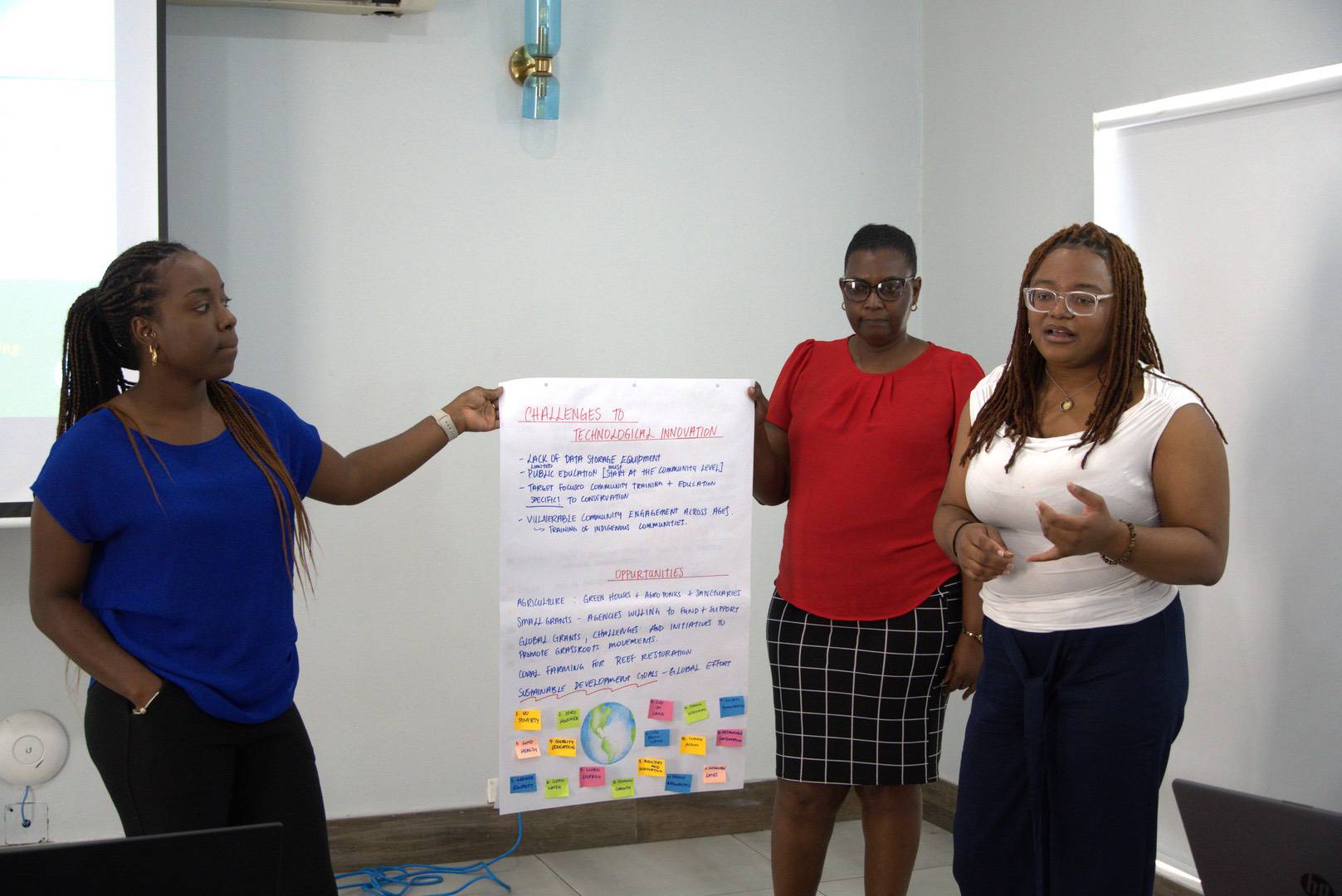
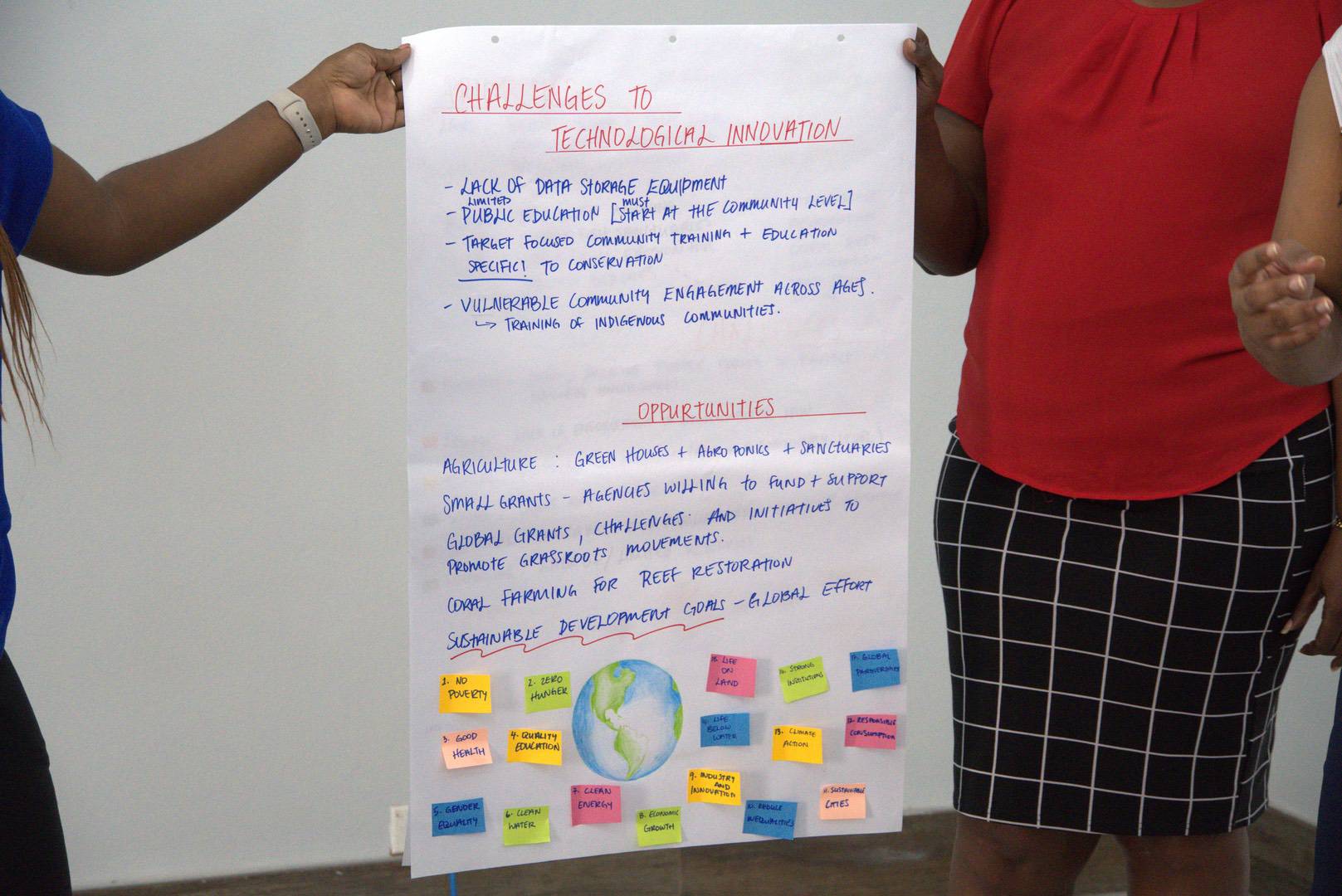
- Identify and address barriers to technological innovation within conservation initiatives
- Strengthen the technical capacity of civil society organizations (CSOs) for applied biodiversity conservation
- Promote collaboration and information exchange among CSOs
Duration
1st November 2024 to 30th November 2025
Target Countries
Saint Vincent and the Grenadines, Saint Lucia and Jamaica
Funding Statement
Funding in support of this Project is made available from the Critical Ecosystem Partnership Fund, with funding provided by the International Bank for Reconstruction and Development under an arrangement of administration with the Ministry of Finance, Government of Japan. CEPF is administered by Conservation International Foundation and the Caribbean Islands Biodiversity Hotspot Small Grants Mechanism is being implemented in the Caribbean Islands by the Caribbean Natural Resources Institute (CANARI), in its capacity as the Regional Implementation Team (RIT).
Project Outputs
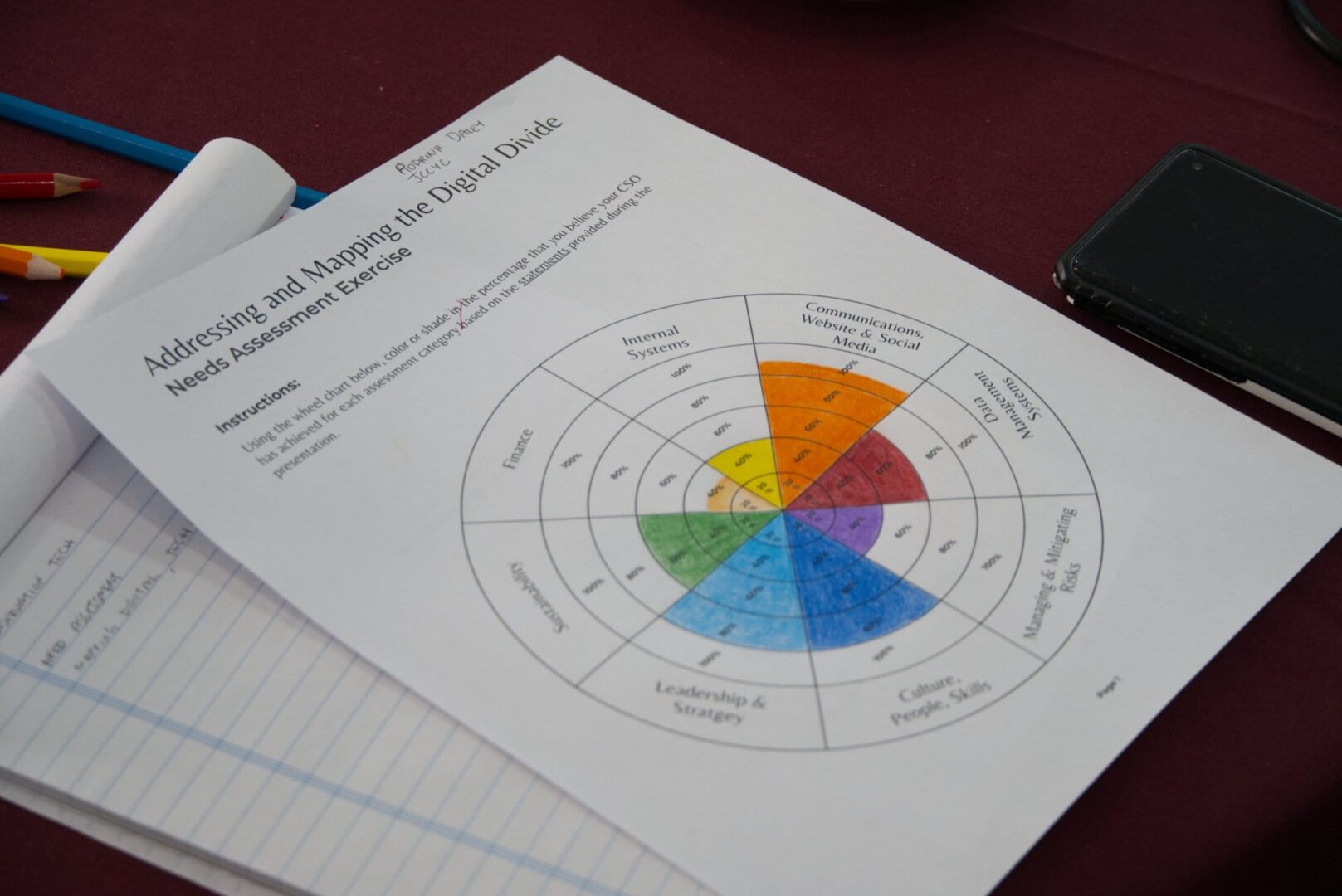
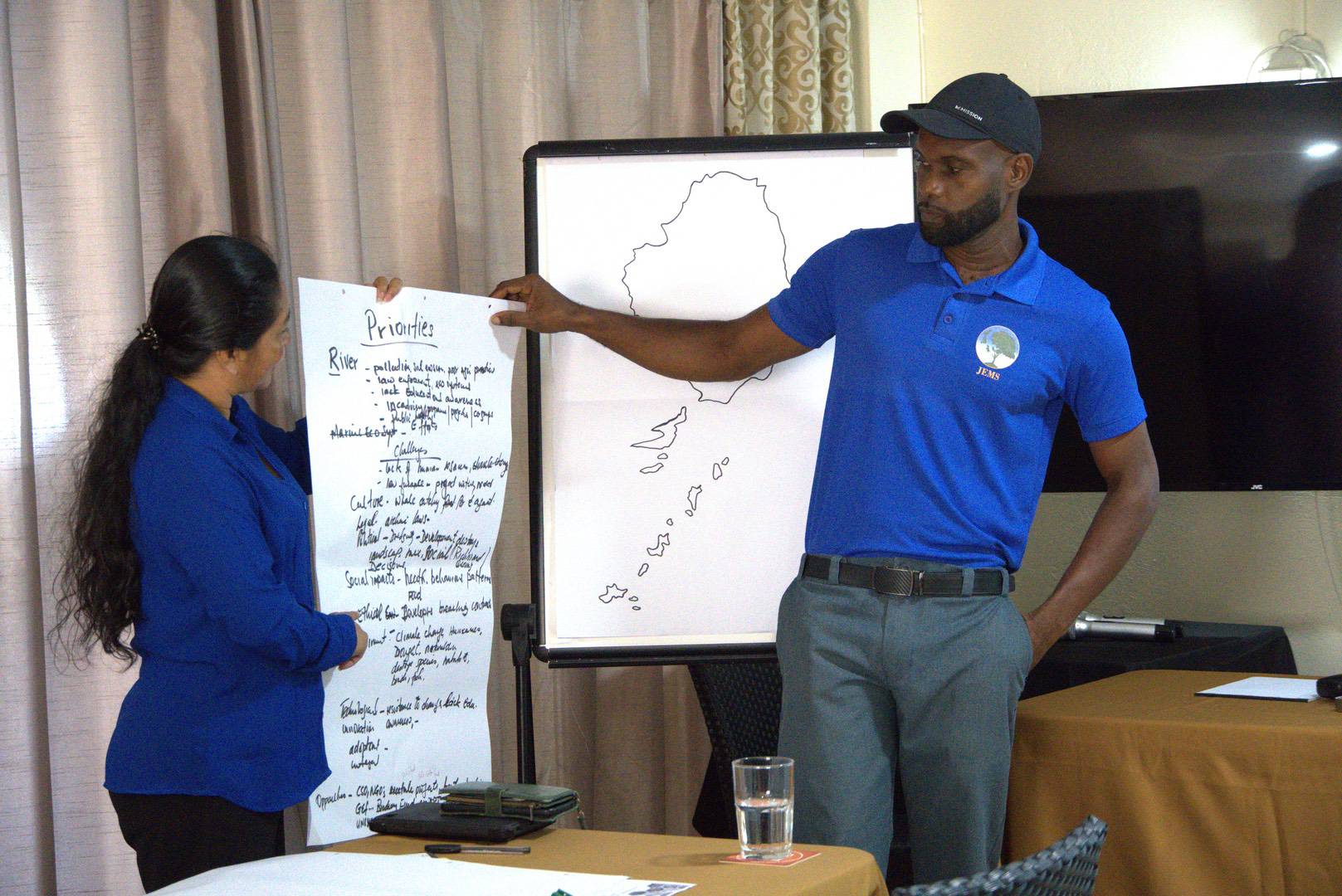
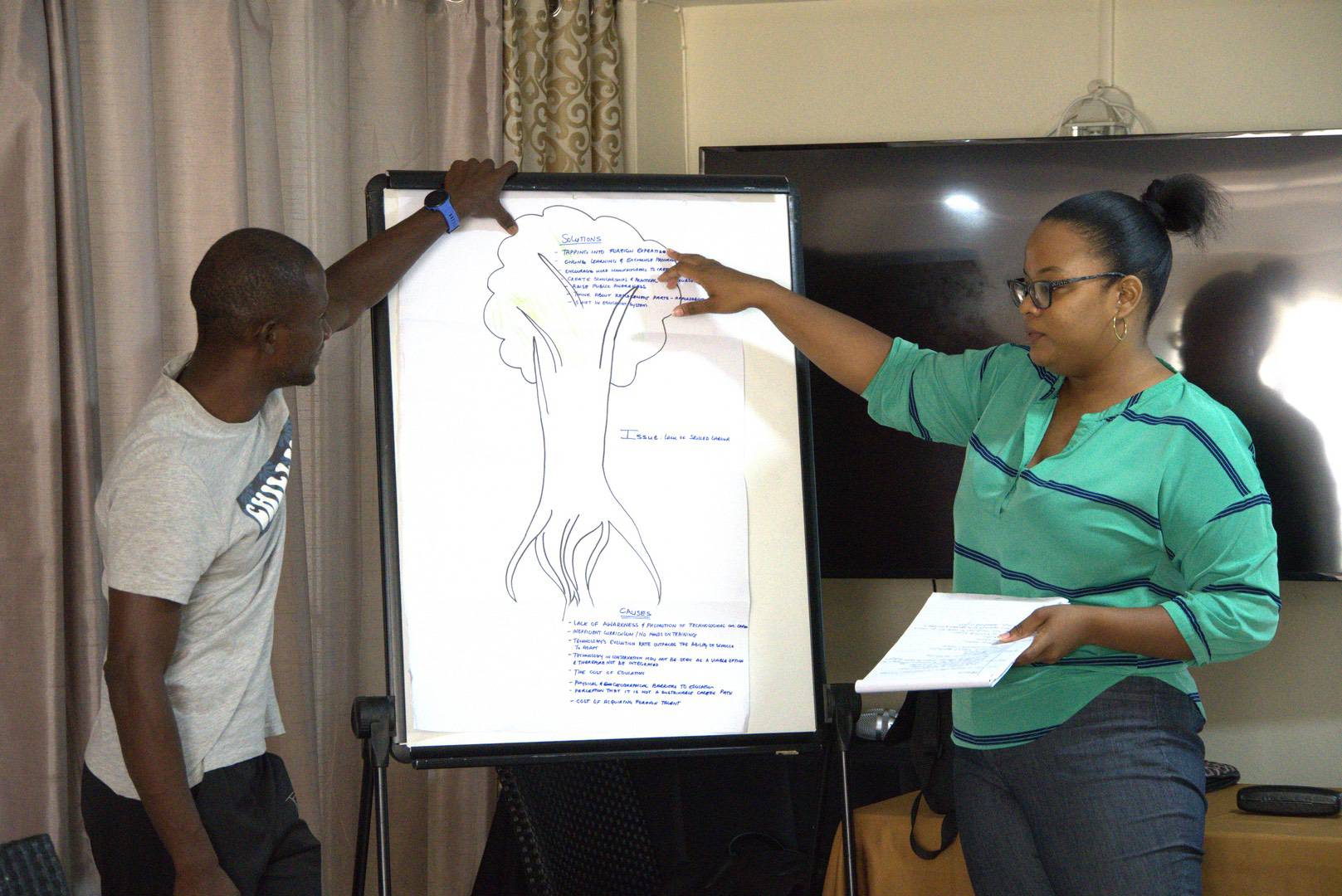
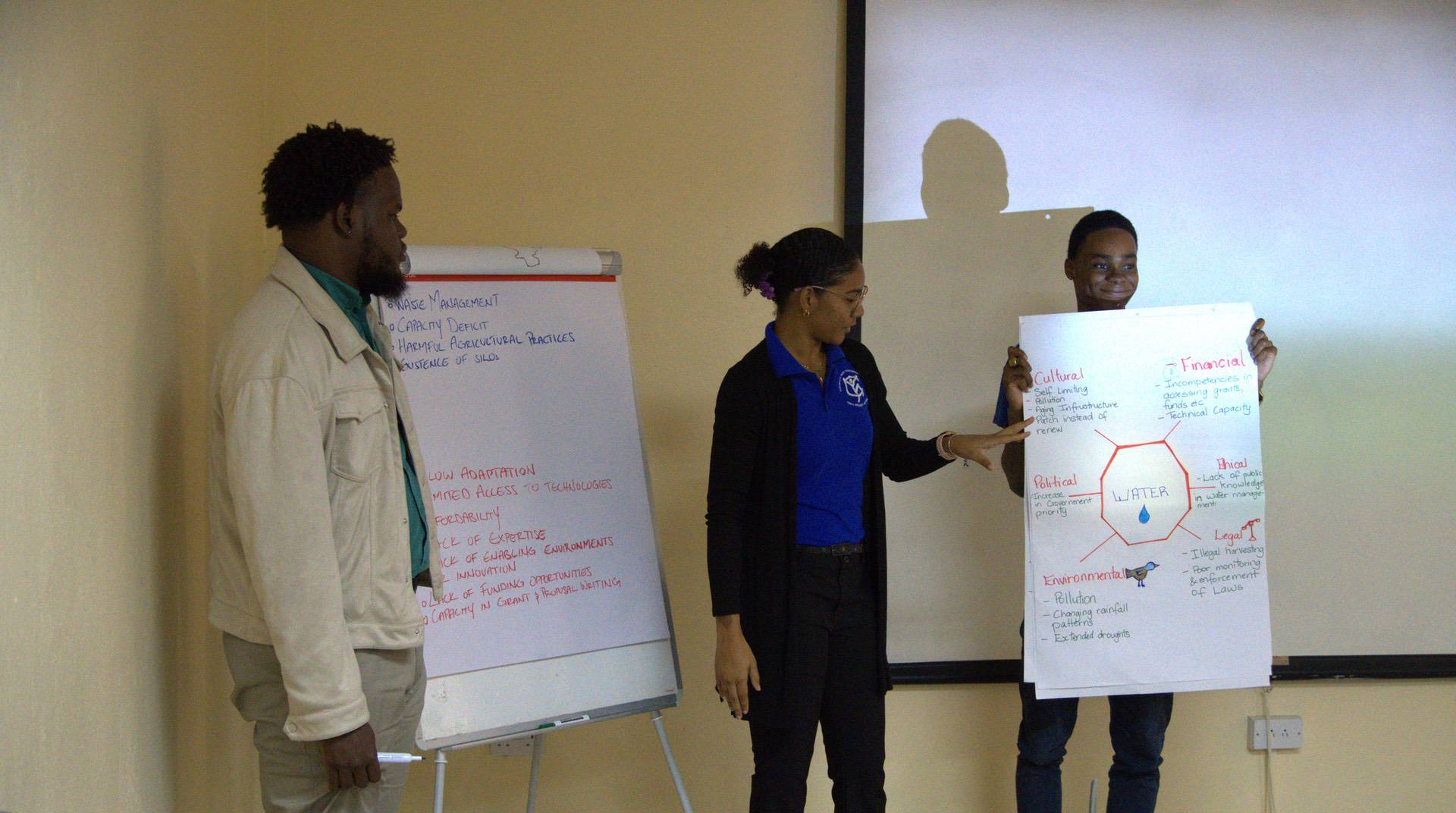
- Output/Deliverable 1.1 CSO needs assessment undertaken and report
- Output/ Deliverable 1.3 Landscape assessment of Data science and technology network in Caribbean
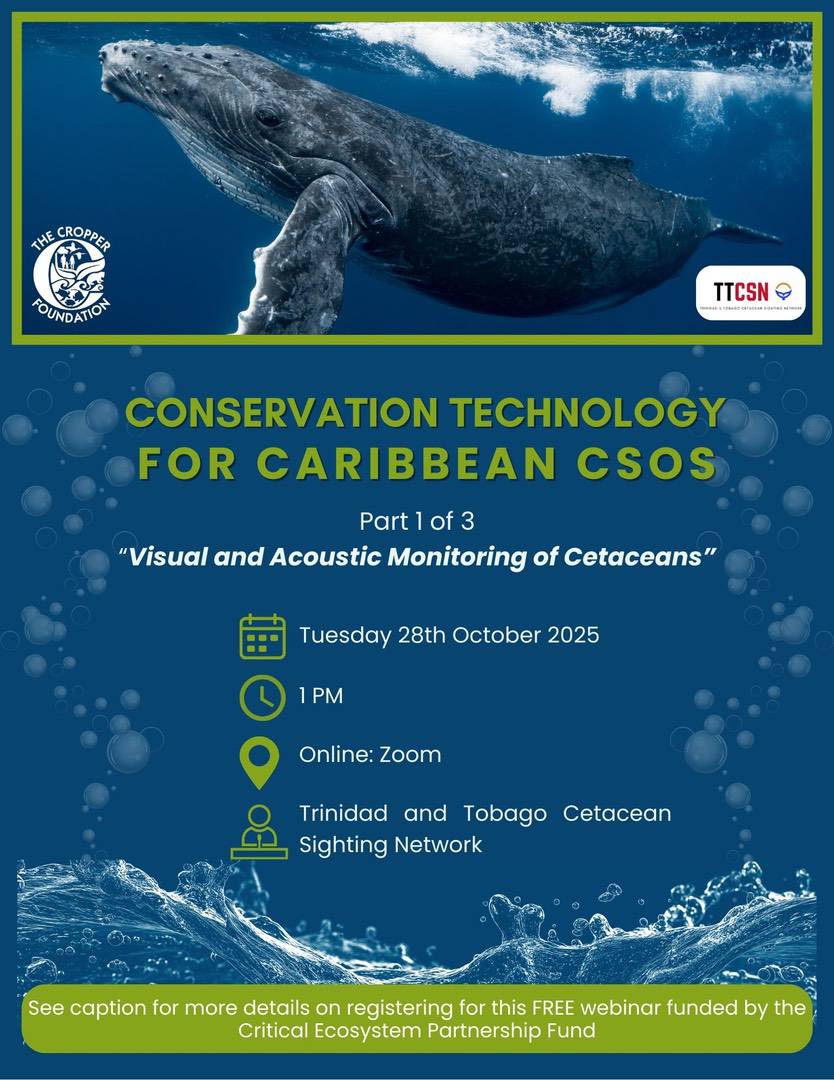
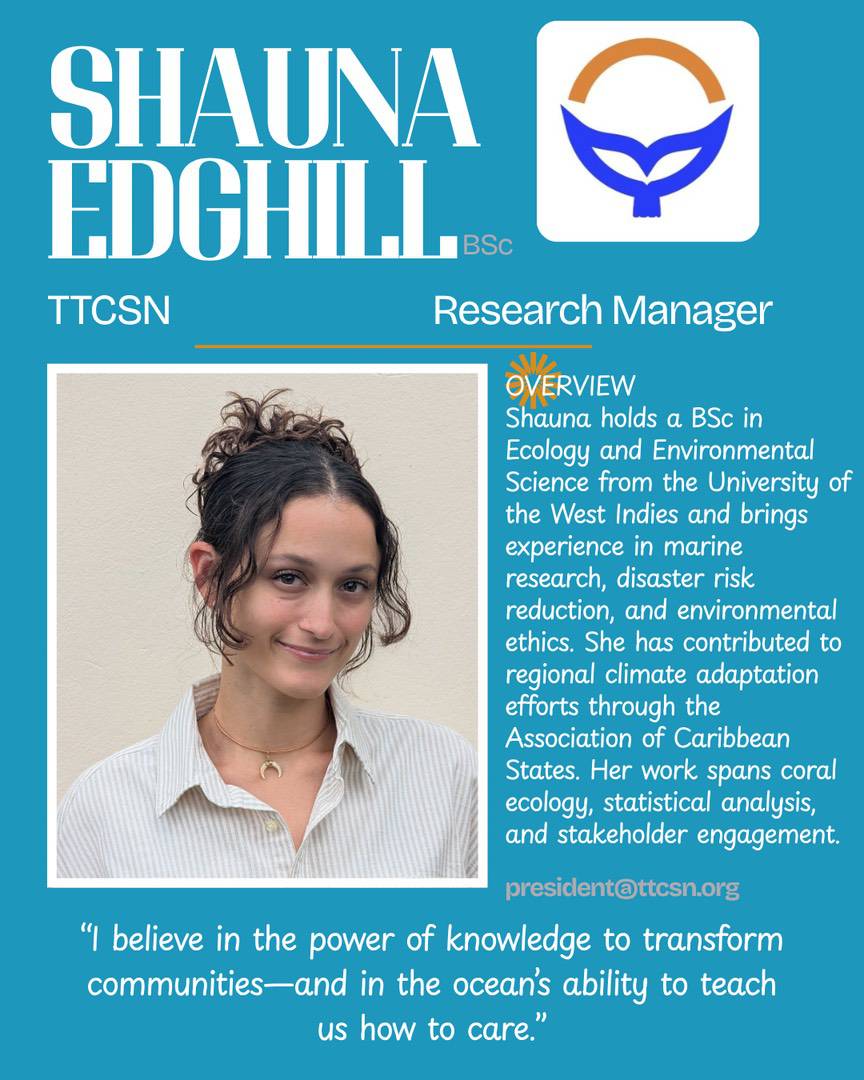
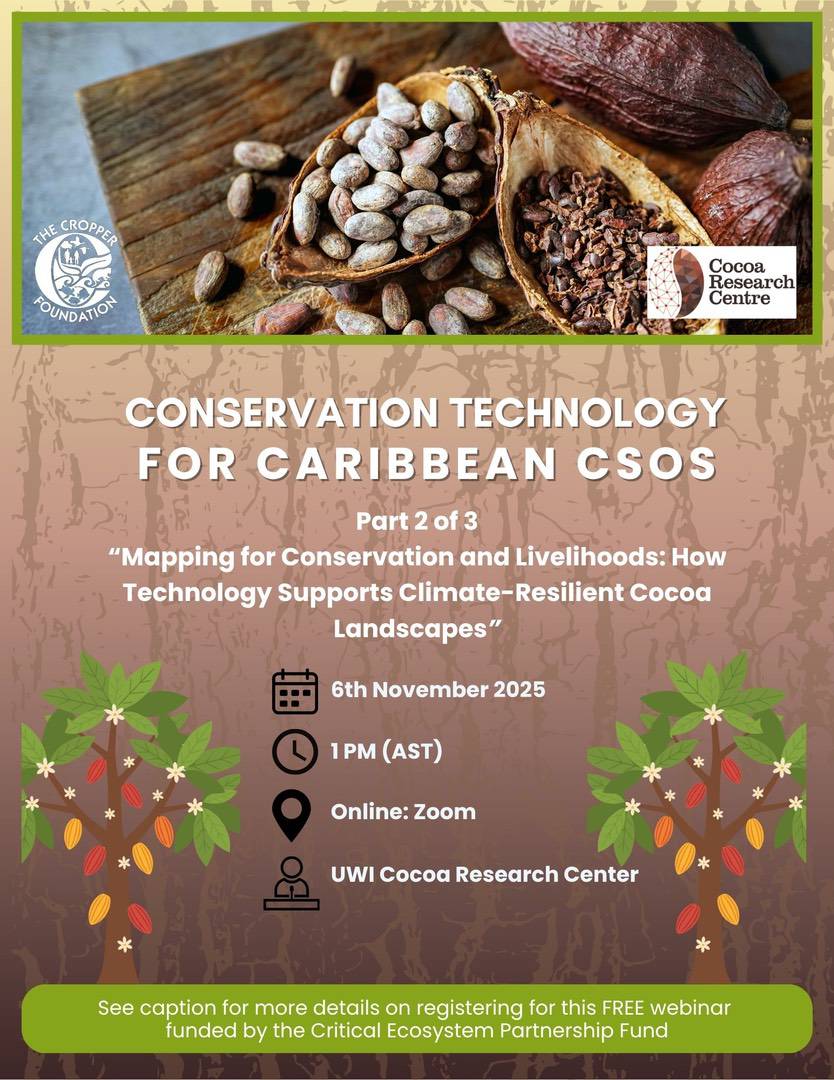
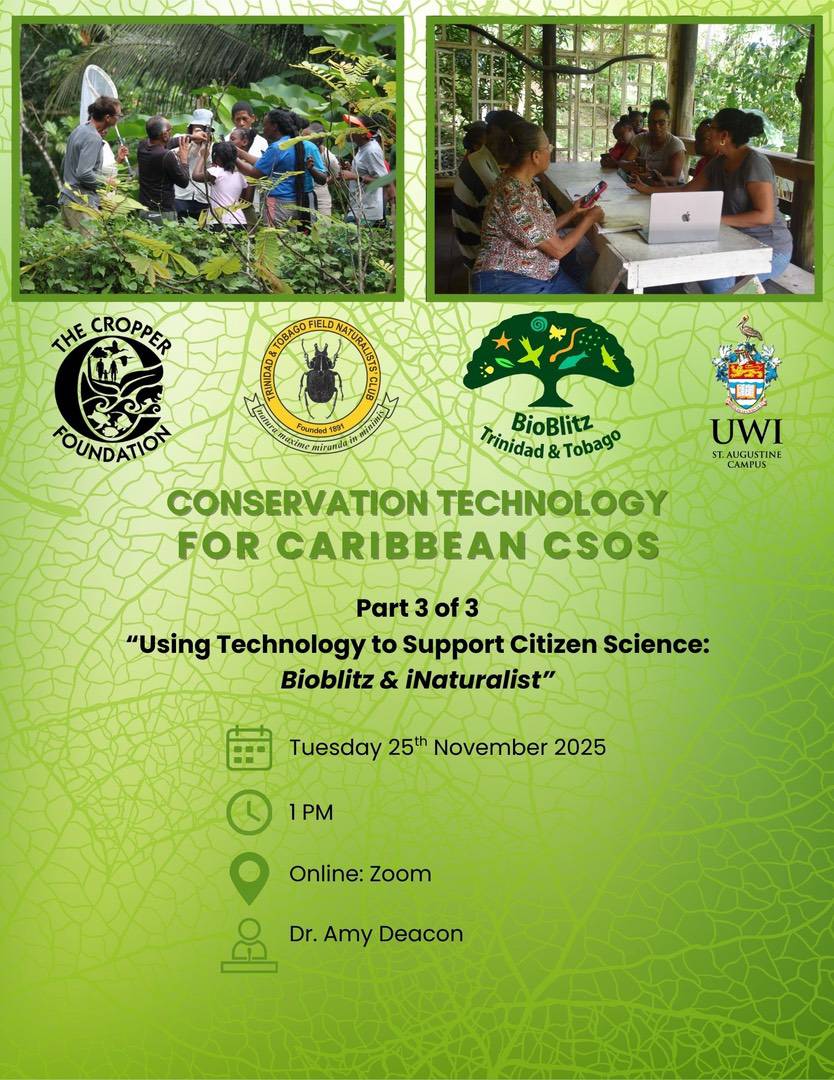
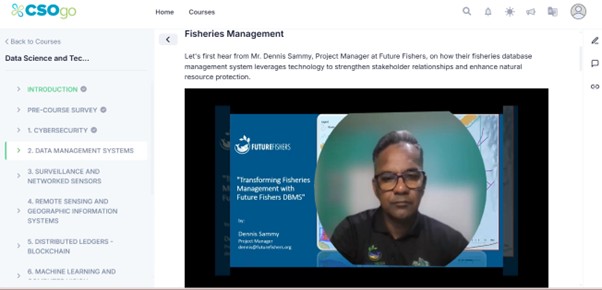
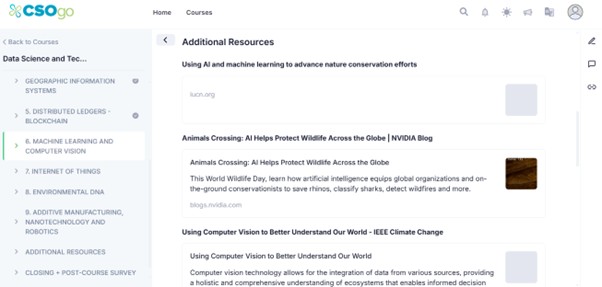
- Output/ Deliverable 1.4 Knowledge sessions tailored to needs and interests of target CSOs
- Output/ Deliverable 1.5 Development of a large-grant project proposal
- Output/ Deliverable 2.1 ESS policies implemented, monitored and reported every five months to the CEPF RIT to ensure full compliance, verified through bi-annual progress reports
- Output/ Deliverable 2.2 Submission of an article and photograph demonstrating project benefits to local CSOs and biodiversity
Project Outcomes
Long-term impacts (3+ years)
• Increased application of emerging data science and technology in biodiversity conservation by CSO in the Caribbean
Short-term impacts (1-3 years)
• By July 2025, at least five Caribbean CSOs will demonstrate increased knowledge and understanding of the use and application of emerging data and science technology in biodiversity conservation, as measured by pre- and post-training assessments.
• By July 2025, TCF will have a comprehensive understanding of the barriers preventing Caribbean CSOs from effectively adopting and using emerging data science and technology in biodiversity conservation.
• By July 2025, TCF will have prepared a large grant proposal for the CEPF, positioning itself to submit an application when the next call for proposals is announced after that date.