

In its most recent Global Assessment Report on Biodiversity and Ecosystem Services, the Intergovernmental Science-Policy Platform on Biodiversity and Ecosystem Services (IPBES) noted with concern that around 1 million species face extinction within the coming decades unless action is taken to reduce the intensity of drivers of biodiversity loss. The World Wildlife Fund’s 2024 Living Planet Report also estimated there was a 73 percent decline in monitored wildlife populations from 1970 to 2020. With key indicators highlighting substantial threats to global biodiversity, the UN Convention on Biological Diversity (UN CBD) has responded with the development of the Kunming-Montreal Global Biodiversity Framework at the 2022 UN Biodiversity Conference (COP15), with a key goal being for governments to designate 30% of Earth’s land and ocean area as protected areas by 2030.
As initiatives are steadily being developed to achieve these goals, funders and implementing agencies are increasingly relying on whole-of-society and collaborative social accountability (CSA) approaches, which are methodologies that allow for comprehensive interaction between citizens, civil society, and the state. As such, it is no surprise that Indigenous and local communities (IPLCs) around the region are considered crucial players in present and future conservation efforts. Article 8 (J) of the UN Convention on Biological Diversity (UN CBD) calls on countries to ensure that national legislation respects, preserves, and maintains knowledge, innovations, and practices of indigenous and local communities. The article also recognises that these communities must give approval and be involved in any conservation initiatives that use traditional knowledge to advance innovations and practices. Indigenous communities must also be included in the equitable sharing of the benefits arising from the knowledge innovations and practices that use their traditional knowledge.
The Role of IPLCs in Global Conservation
In a report, the International Union for the Conservation of Nature (IUCN) highlights that technological equipment like drones, camera traps, and remote sensing all contribute to gaining insights into species behaviour, population dynamics, and habitat use, which aids the work of conservationists. The IUCN states that these innovations enable real-time monitoring of vast landscapes, detect early signs of human-wildlife conflict, and gather data in remote or otherwise inaccessible areas. However, even with the emergence of cutting-edge technologies in conservation strategies, the role of communities, particularly IPLCs, cannot be overlooked.
Based on estimates by Amnesty International, there are over 475 million Indigenous Peoples around the world, spread across more than 90 countries and speaking more than 4,000 languages. For centuries, indigenous communities have developed a close kinship with nature, which informs all aspects of daily life, from spirituality to well-being. As such, indigenous communities view natural resources as a living entity and have long regarded themselves as environmental defenders. A 2024 publication on the United Nations Development Programme’s website estimates that Indigenous Peoples and local communities manage around 25 percent of the world’s land, with a large amount of those lands containing high levels of biodiversity. With these ecosystems being central to traditions, cultures, and livelihoods, IPLCs provide environmental stewardship to at least 36 percent of the world’s intact forests.
The Cropper Foundation Assesses Perceptions of the Role of IPLCs in Caribbean Conservation
In the Caribbean, IPLCs are also at the frontline in defence of ecosystems against the effects of climate change, pollution, and biodiversity loss. The Economic Commission for Latin America and the Caribbean (ECLAC) estimates there are 826 different Indigenous Peoples in Latin America and the Caribbean, representing a population of 58 million people. Across the region, these communities still fish traditionally, practise organic agriculture, use herbal medicines, and are increasingly playing a major role in conservation co-management efforts.
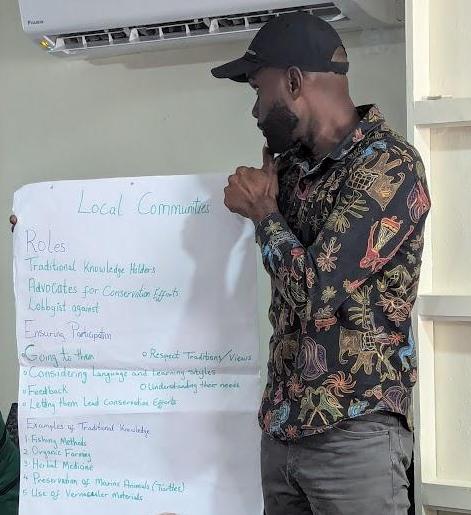
With the emergence of new conservation projects as well as modern conservation technologies and techniques, it is important to sufficiently consider the compatibility of these methods with the work of IPLCs and how these communities can be supported to engage with these emerging tools. Throughout March 2025, a team from The Cropper Foundation held workshops in Jamaica, St. Lucia, and St. Vincent and the Grenadines to discuss the use of conservation technologies, the importance of inclusive conservation efforts, and to gain a further understanding of how people view the role of indigenous communities in conservation efforts.
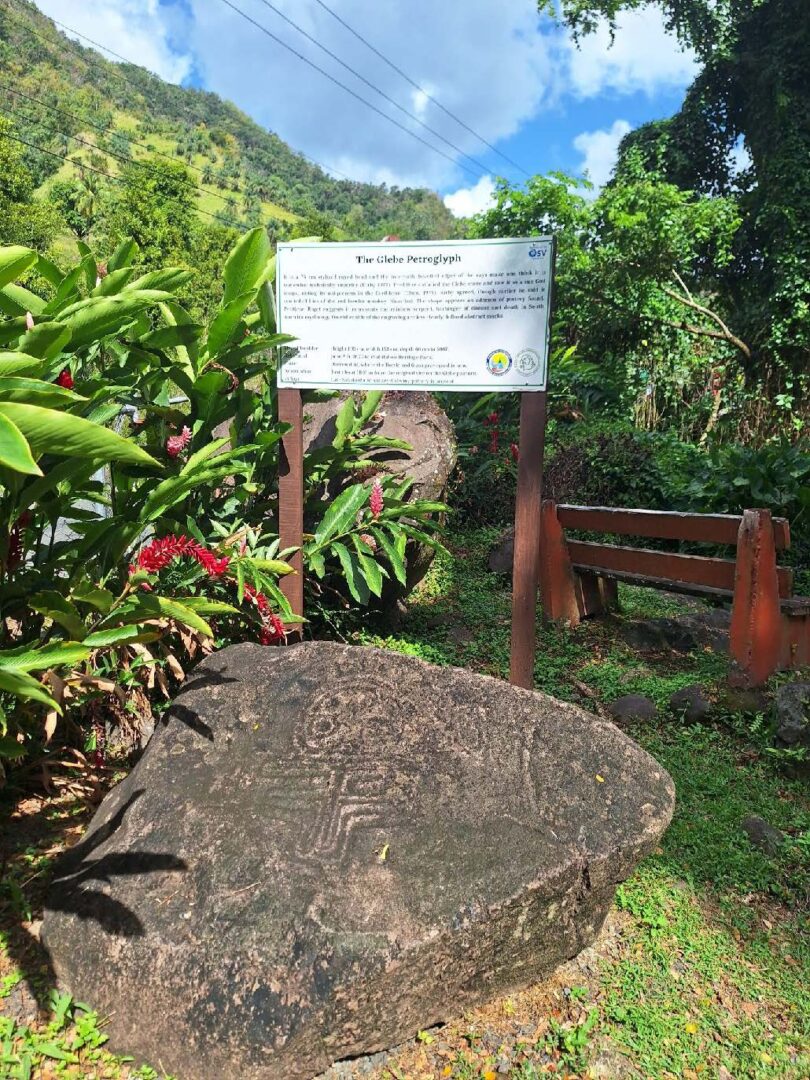
These workshops were supported by the Critical Ecosystem Partnership Fund, which is administered in the Caribbean by the Conservation International Foundation and the Caribbean Islands Biodiversity Hotspot Small Grants Mechanism, with implementation support from the Caribbean Natural Resources Institute (CANARI). The team learnt that the Maroons, Kalinago, and Garifuna make up the indigenous groups of St. Vincent and the Grenadines. In Jamaica, the Maroons and Tainos form the main indigenous communities, while St. Lucia’s prominent indigenous communities include the Taino and Kalinago groups.
Insights Gained from The Cropper Foundation Workshops
Across all three countries, workshop participants said the role of IPLCs in national conservation efforts includes sharing traditional knowledge and acting as frontline implementers of conservation projects. Importantly, when initially approaching IPLCs for any conservation effort, it is critical to obtain Free, Prior, and Informed Consent (FPIC), which gives Indigenous communities the right to give or withhold consent to projects or activities that affect lands, territories, or resources. Once consent is obtained, respectful engagement requires communicating in ways that communities are most comfortable with and prioritising an understanding of community needs to ensure projects support well-being. This may include consideration for communications in local languages or dialects.
In Jamaica, there was consensus that IPLCs have been the original stewards of natural resources and ecosystems, but participants noted these communities have not been sufficiently engaged in current conservation planning. A more participatory approach was recommended, including nationwide workshops co-led by IPLCs, greater representation on delegations to global conferences, and more funding mechanisms for strategic conservation projects such as the Maroons’ protection of the Cockpit Country. In 2015, Jamaica’s Blue and John Crow Mountains National Park was recognised as a UNESCO World Heritage Site due to its natural and cultural heritage, which has been stewarded by the Windward Maroon communities for centuries.
In St. Lucia, participants noted that IPLCs have been preserving traditional knowledge and protecting natural ecosystems through activities such as sustainable charcoal production and beekeeping. Contributions also include flower festivals and partnerships with government agencies to monitor turtles during nesting season. While these efforts were recognised, participants noted further opportunities remain for increased inclusion in conservation efforts.
In St. Vincent and the Grenadines, one participant highlighted the Sandy Bay Development Organisation (SBHDO). A 2023 release from the Global Environment Facility Integrating Water, Land, and Ecosystems Management in Caribbean Small Island Developing States (IWEco) project noted that the SBHDO was formed in 2017 to develop a community enterprise that encourages sustainable tourism while preserving the area’s natural environment and culture, including that of the Garifuna people. Under this project, historic trails were rehabilitated and other conservation efforts were carried out.
Participants across all countries also emphasised the importance of a “train the trainer” model, where elders and experts from IPLCs lead training initiatives within communities rather than relying on external facilitators.
Looking Forward and the UN Subsidiary Body on Article 8 (J)
With the 2024 UN Biodiversity Conference (COP16) delivering the creation of a permanent Subsidiary Body on Article 8 (J), the established roles of IPLCs in conservation were reinforced with stronger guarantees of inclusion in decision-making. The Subsidiary Body will focus on ensuring Article 8 (J) is effectively implemented and that Indigenous Peoples and local communities are sufficiently included in all UN CBD processes. With rights, contributions, and traditional knowledge further embedded in the UN CBD agenda, regional governments, funders, and implementing agencies must ensure indigenous communities are placed at the forefront of conservation efforts.
Funding Statement
Funding in support of this Project is made available from the Critical Ecosystem Partnership Fund, with funding provided by the International Bank for Reconstruction and Development under an arrangement of administration with the Ministry of Finance, Government of Japan. CEPF is administered by Conservation International Foundation and the Caribbean Islands Biodiversity Hotspot Small Grants Mechanism is being implemented in the Caribbean Islands by the Caribbean Natural Resources Institute (CANARI), in its capacity as the Regional Implementation Team (RIT).